
To become the world's preeminent algal-based manufacturer.
Deconstructing the Theranostic LNP - The algAI Platform
We use algae because it is safer, cheaper, and the use of waste CO2, waste organic carbon, and wastewater is better for the environment. Unlike conventional bioprocess organisms (i.e. delicate mammalian cells, bacteria, and yeast), algae can simultaneously perform cellular respiration and photosynthesis.
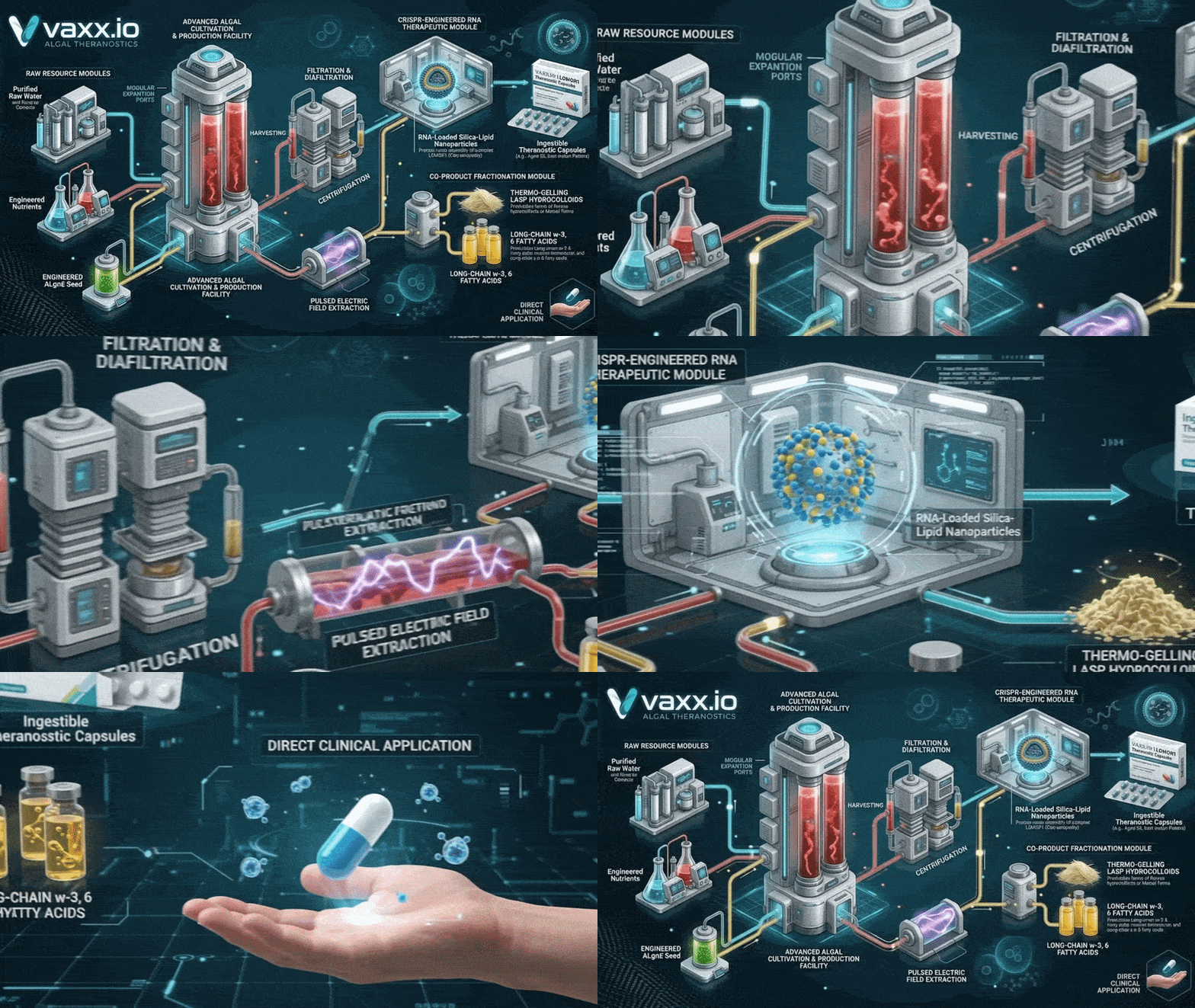
algAI implements (un)supervised-learning-based machine learning algorithms in conjunction with publicly available and proprietary databases to design, develop, optimize, and scale-up entire algae-based bioprocesses (e.g. genetic editing and heterologous gene expression, commercial-scale cultivation, harvesting, biorefinery fractionation, and-or conversion of biomass) for the production of high-value products for a multitude of applications.
algAI is focused on using its three different proprietary strains of algae (diatom microalgae, red microalgae, and filamentous microalgae) to manufacture diverse commercial pipelines.
Ab-silica-LNP Gene Therapy for LGMDR1

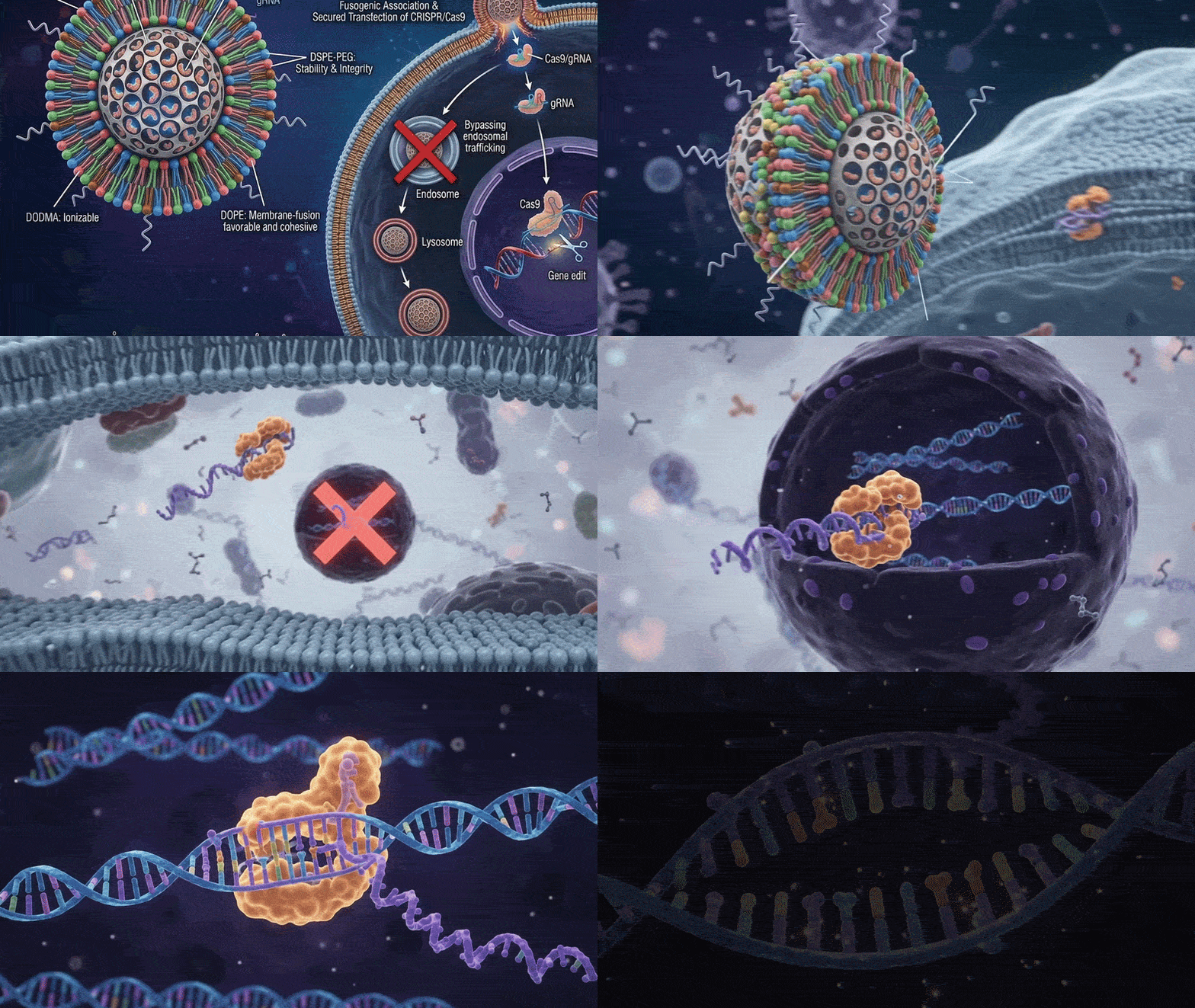
We are developing an Ab-silica-LNP (lipid nanoparticle) for the delivery of a musculoskeletal cell-targeting gene therapy payload consisting of mRNA that encodes gRNA and Caspase 9 (or other) to base-edit via Non-Homologous End Joining (NHEJ) the CAPN3 gene in LGMDR1 patients.
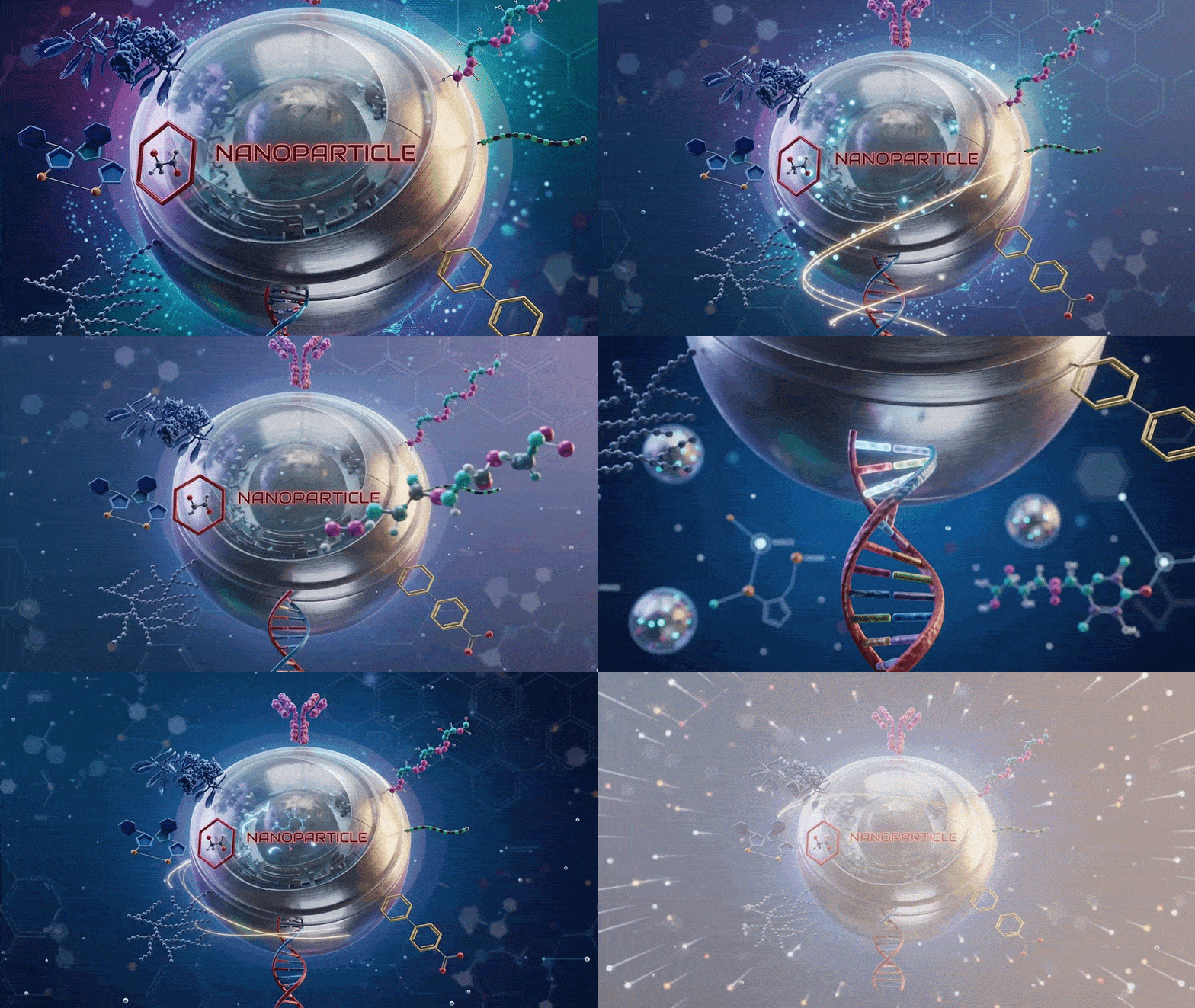
Here, a diatom microalgae supplies the 3-D silica core and 3 red microalgae supply the single-domain anti-CD71 nanobody, transferrin, and Myomaker fusogen proteins for specific targeting. The lipids used are comprised of an optimized mixture of cholesterol, helper, cationic, ionizable, and membrane diffusing-lipids, as well as stealth PEG-like polymers to avoid immunogenicity.
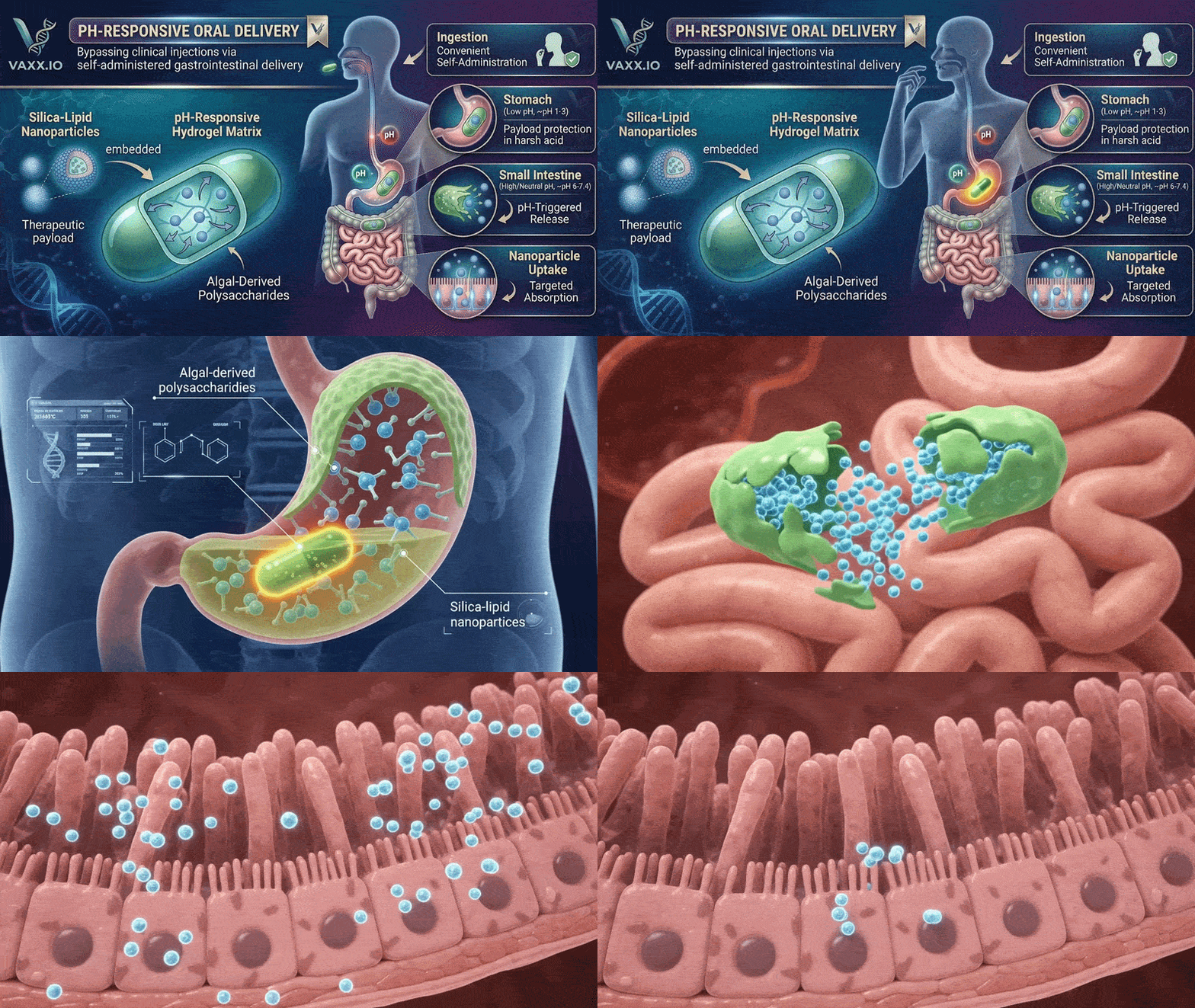
albumin-Ab-BPE-FeCl3-silica-LNP and pH-Responsive Hydrogels
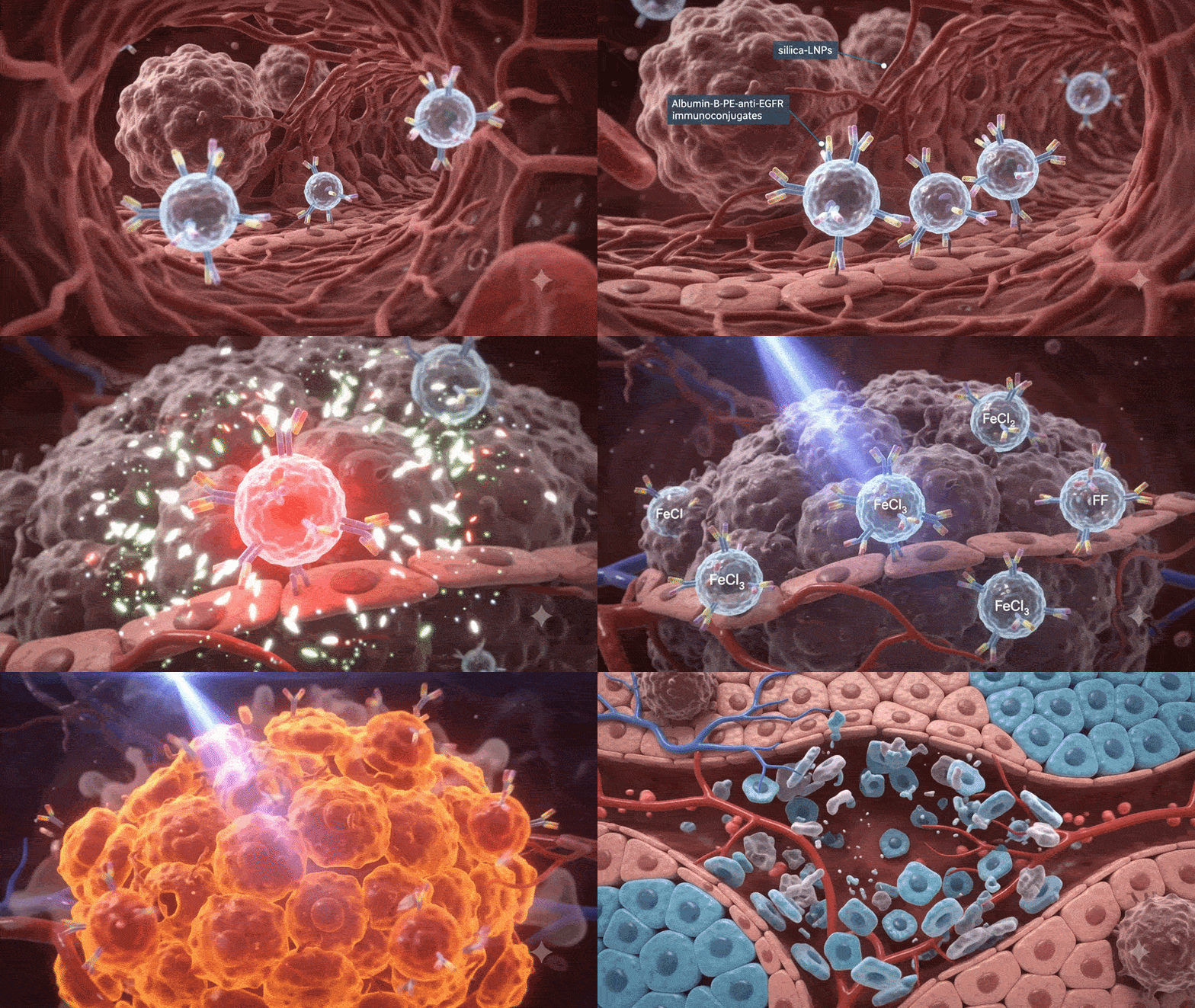
We utilize an albumin-Ab-BPE-FeCl3-silica-LNP for the delivery of an orally ingested, gastrointestinally-delivered payload consisting of magnetic FeCl3 particles, albumin-fused anti-EGFR targeting nanobody, and red fluorescent B-phycoerythrin (B-PE) to target and destroy colorectal cancer tumors.
Here, a diatom microalgae that is cultivated on iron-enriched growth media supplies the magnetic 3-D FeCl3 silica core, and a red microalgae supplies the immunoconjugate of albumin-fused, B-PE fused anti-EGFR targeting nanobody.
This B-PE-anti-EGFR immunoconjugate can alone be sold as a diagnostic reagent for flow cytometric applications. However, we instead affix the albumin-B-PE-anti-EGFR to the silica-LNP as an endothelial cell-targeting ligand to deliver a payload of red-light activated B-PE fluorescence-based photo-dynamic therapy (destruction of tumor via free oxygen radical formation in relatively hypoxic tumor environment) and a UV-light and external magnetic signal-activated FeCl3-based photo-thermal therapy (destruction of tumor via heat generated). This approach completely eliminates the off-targeting risk of standard chemotherapy.
Sustainable Jet Fuel (SAF) and AI Data Center Biodiesel
We harvest neutral lipids (i.e. tri-acyl-glycerides) for the production of sustainable jet fuel (SAF) for the civilian and military aviation markets and DOE research grant opportunities, as well as biodiesel for the back-up generators that all AI data centers (currently a $3 trillion construction project) rely on.
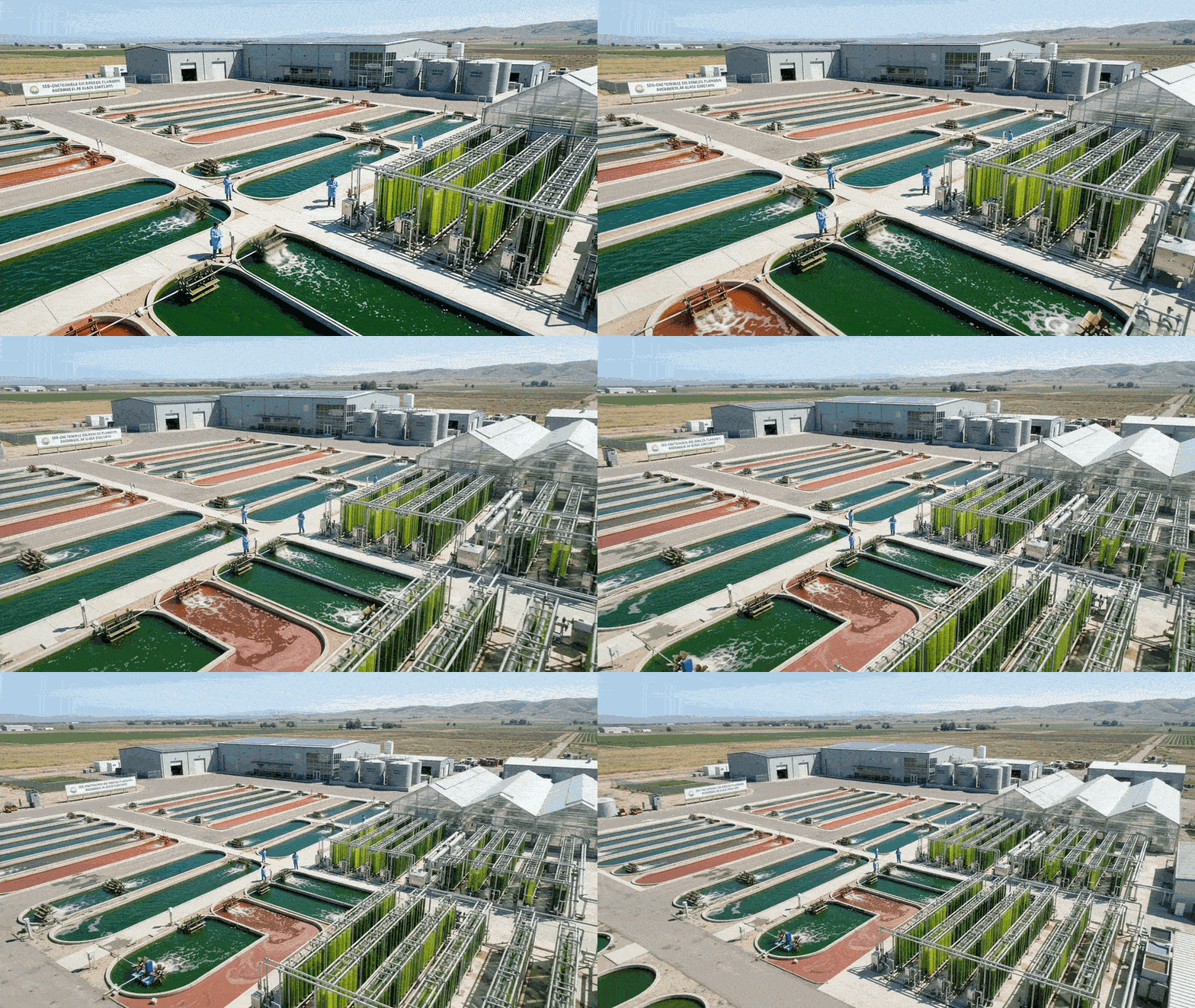
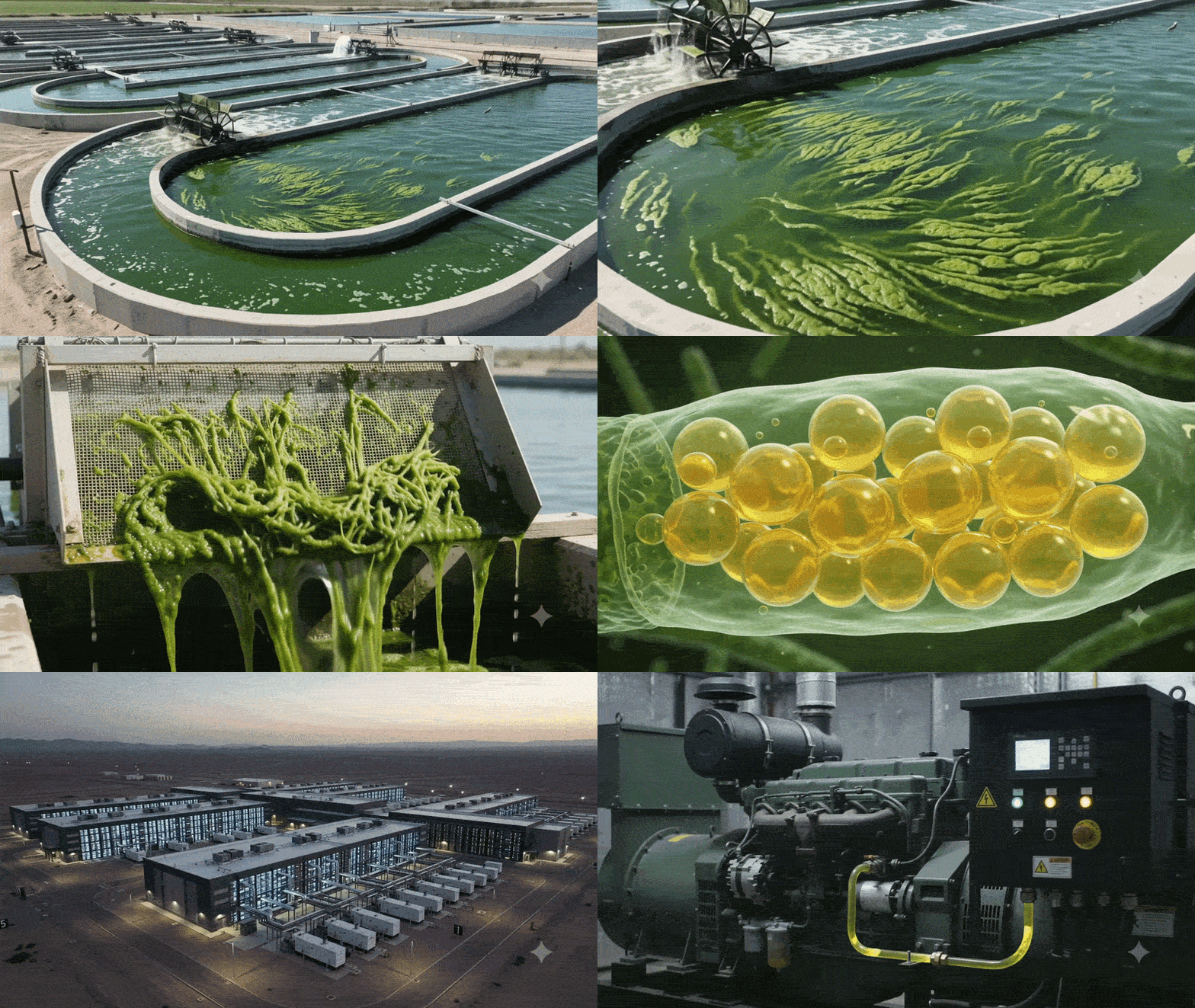
Here, a large, multi-trophic, genetically-amenable, filamentous microalgae that can be cultivated outdoors in large and cheap raceway open-ponds with minimal contamination-crash risk and be harvested without the need for expensive ultrafiltration or centrifugation or dissolved air flotation supplies lipid bodies in its cytoplasm.
Nano-Cellulose Energy Applications
Cellulose that is extracted from the aforementioned filamentous algae's easy-to-lyse wall is converted to a nano-cellulose co-product which has myriad applications.
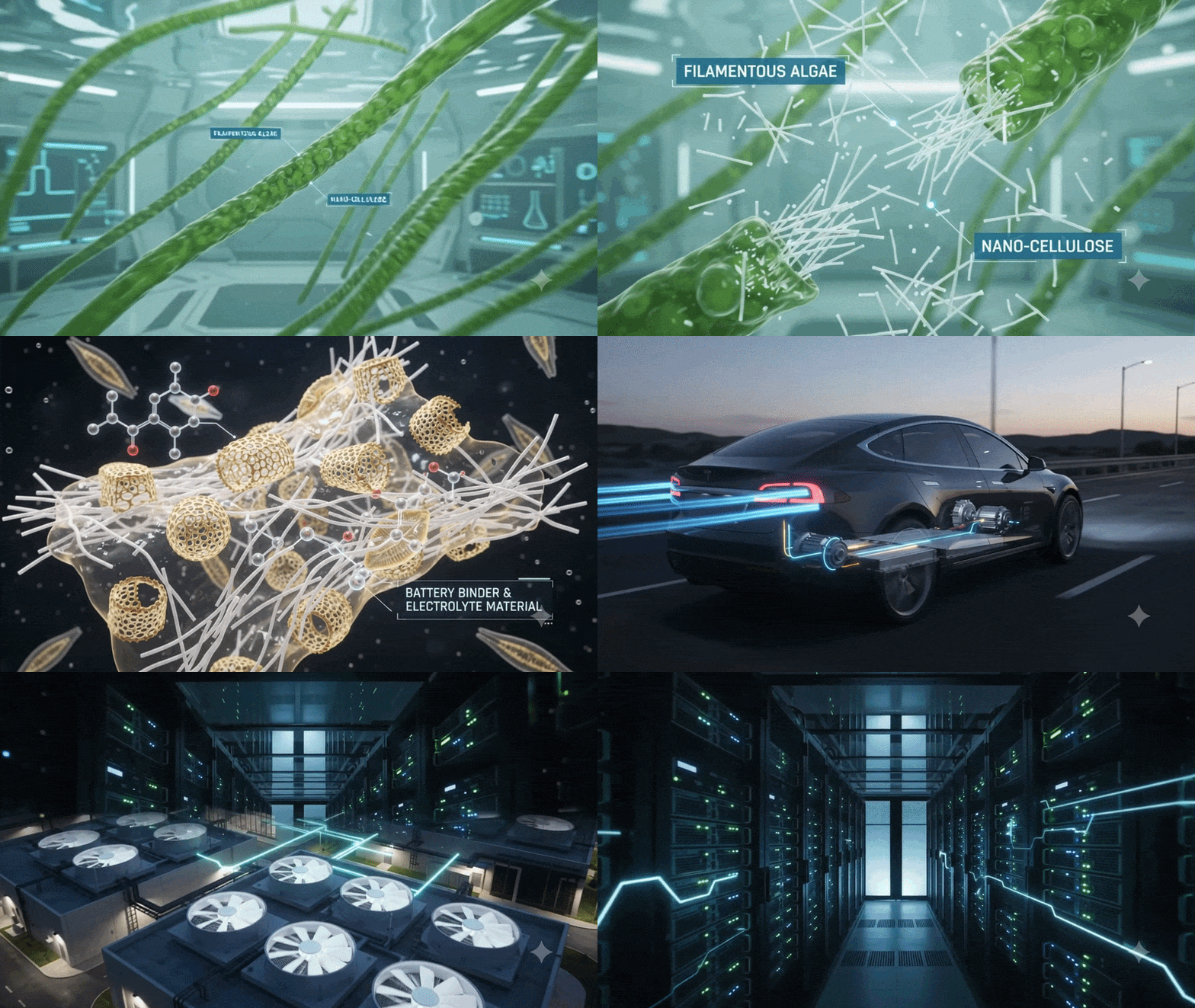
For example, it can be combined with the silica of the aforementioned diatom microalgae to produce an anodic or cathodic binder and electrolyte material for batteries for electric vehicles (EVs) and storing overnight excess power generated for the massive data centers currently being built out.
B-Phycoerythrin and LASP Polysaccharide Co-Products
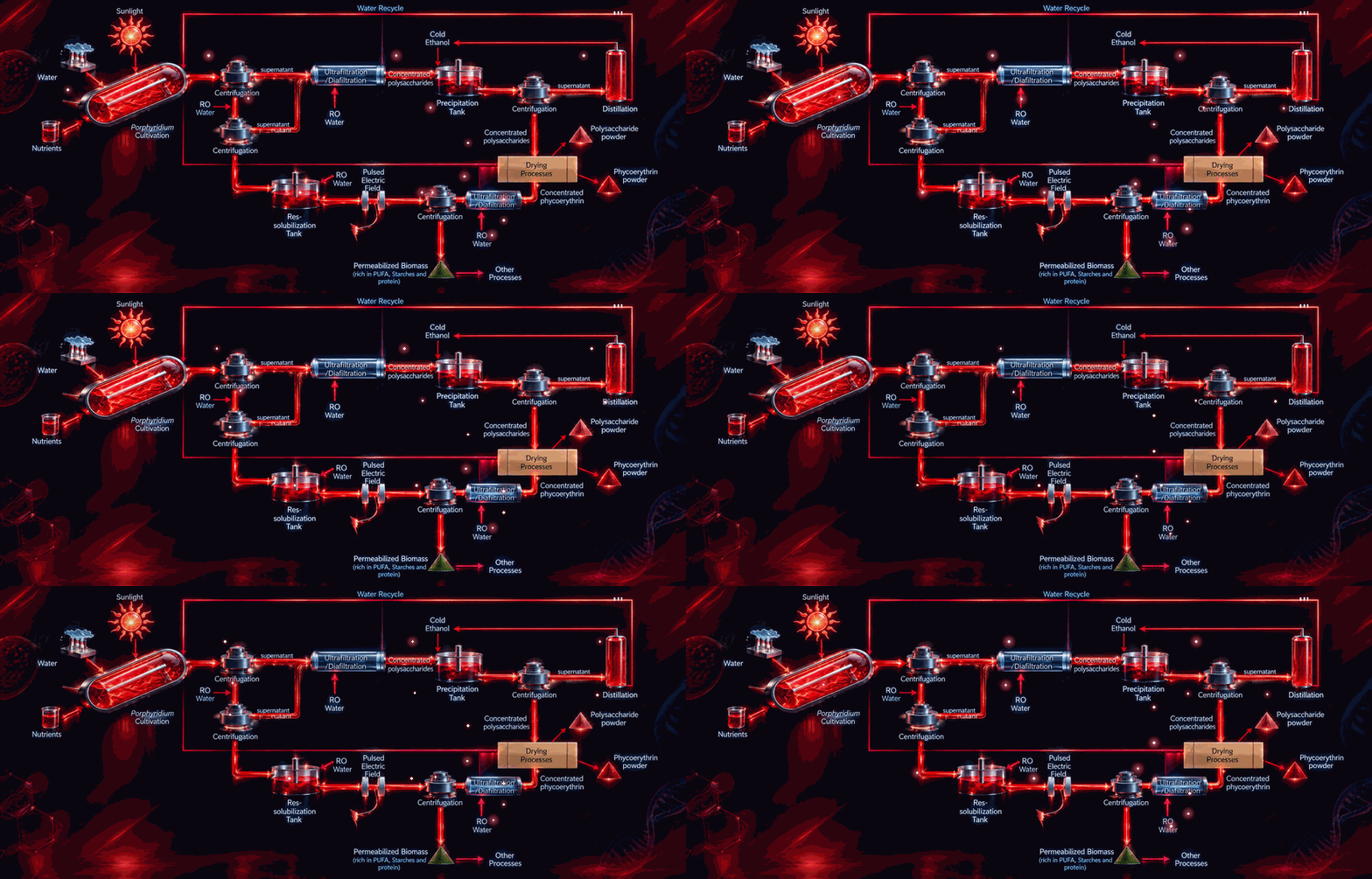

Another strain of red microalgae whose metabolic pathway has not been knocked out will naturally secrete a uniquely thermo-and acid-gelling, linear, anionic, polysaccharide (LASP) that is then used to formulate a pH-responsive hydrogel capsule that houses the albumin-Ab-BPE-FeCl3-silica-LNP for convenient and cheaper oral delivery.
The red B-PE protein co-product, with or without protein engineering and pH-Temperature stabilizing mutagenesis, can be used for myriad applications (i.e. food and beverage, cosmetics, textiles, medical diagnostics). Similarly, the LASP polysaccharide can be used for myriad applications (i.e. as replacement for xanthan or guar gums for oil and gas extraction, as a thermo-gelling agent for plant-based meat applications, as a cosmetic ingredient).
The experts driving algAI's biomanufacturing revolution.

Paul steers algAI's enterprise strategy, investor relations, and commercial scaling. A serial entrepreneur, he has founded multi-sector enterprises, managed day trading, and led top-performing pharmaceutical marketing. He grounds this business acumen in rigorous scientific scholarship, having graduated with the Gold Medal in Biology from Queen's University, completed clinical clerkship and oncology research in Queen's MD program, and earned a Master of Theological Studies from the University of Toronto.
View LinkedIn Profile →
Anupam drives algAI's commercial strategy, bridging the gap between RNA research and pharmaceutical development. He brings deep scientific experience from Millennium Pharmaceuticals, Acceleron Pharma, and Codexis, focusing on transfection optimization, cell-based reporter assays, and generating vectors for transgenic construction. He pairs this technical foundation with extensive commercial execution, having established and scaled regulated pharmaceutical trading networks and B2B operations across Southeast Asia.
View LinkedIn Profile →
Pete directs algAI's metabolic engineering and bioprocess scale-up pipelines with over 20 years of R&D and manufacturing experience. He served as Chief Science Officer at Spira Algae (NSF SBIR Principal Investigator), Manufacturing Systems Engineer at Merck & Co., and Research Engineer at AzCATI. He holds a Ph.D. in Biological Systems Engineering from Washington State University, alongside Master's degrees in Chemical Engineering, Bioinformatics, and Artificial Intelligence.
View LinkedIn Profile →
Pawan engineers the automated bioreactor hardware, fluid mechanics, and sensory infrastructure powering algAI's cultivation platforms. He holds an MSc with Distinction in Aerospace Engineering from the University of Leicester, specializing in advanced thermodynamics and computational fluid dynamics (CFD). His engineering background includes flight operations at Star Air, rocket design at STAR, and advanced systems modeling utilizing ANSYS, COMSOL, and SolidWorks.
View LinkedIn Profile →
Rahul engineers the precise mRNA constructs and Prime Editing components at the core of algAI's non-viral gene therapy platform. He brings advanced bench expertise from his role as a Research Assistant at the University of Cincinnati and from executing in-vivo humanized mouse model studies and RT-PCR at UAB's Neurology and Nephrology labs. He holds a Master's degree in Biotechnology from the University of Alabama at Birmingham and a BSc in Microbiology.
View LinkedIn Profile →
Muhammad oversees the geochemical characterization and structural integrity of algAI's inorganic delivery vehicles. Leveraging his geosciences background from the University of Aberdeen, he optimizes the diatom-derived 3-D silica and magnetic FeCl3 nanoparticle cores. His deep expertise in mineralogy—utilizing X-ray diffraction (XRD) and X-ray fluorescence (XRF)—is critical for analyzing our iron-enriched cultivation media and validating the geometric stability and payload capacities of our theranostic architectures.
View LinkedIn Profile →